


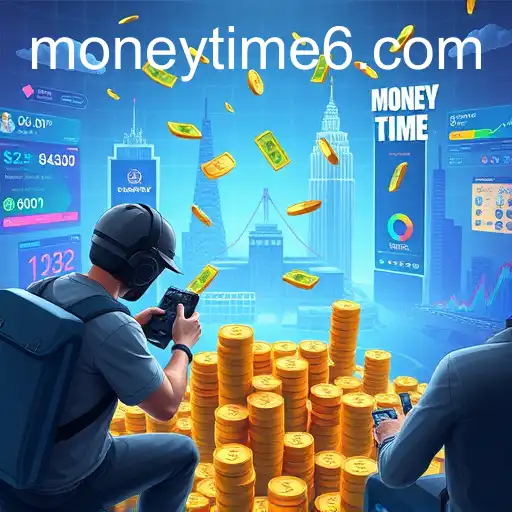
Exploring the integration of economy in gaming and its impacts on digital currency trends in 2025.
As the global gaming industry continues to evolve in 2025, one of the most fascinating developments is the integration of real-world economic concepts into virtual environments, epitomized by the growing popularity of "Money Time." These games not only captivate millions of players worldwide but also influence digital currency trends, offering insights into the future of both gaming and global finance.
The concept of "Money Time" in gaming implies the strategic use of virtual money or credits within the game's universe, and many games are now aligning their in-game economies with real-world economic principles. This integration has led to a dynamic shift in how players engage with games, turning gaming into a complex dance of financial strategy, market speculation, and real-time economic analysis.
In 2025, developers are harnessing innovative technologies like blockchain to create more robust and secure virtual economies. This year has seen major gaming giants incorporate blockchain technology, allowing gamers to trade in-game assets as NFTs (Non-Fungible Tokens), which have real-world value. This trend further blurs the line between digital and physical economies, encouraging players to think critically about investment and asset management within the game.
Moreover, the rise of decentralized applications and platforms has empowered players to participate in creating and managing their in-game assets. Players now have more control over their digital belongings and currencies, leading to an increase in virtual entrepreneurship and finance-driven gameplay. Games no longer serve only as entertainment but as potential platforms for education in financial literacy and investment strategies.
With these developments, regulatory discussions have intensified as governments and international bodies grapple with the implications of gaming-derived earnings and transactions. Such dialogues are crucial as they attempt to standardize virtual transactions and protect consumer rights, preventing illegal activities associated with virtual currency exchanges.
The intersection of gaming and economy in 2025 is not only reshaping player experiences but also influencing how younger generations perceive value and money. By engaging in these sophisticated in-game economic systems, players gain a unique understanding of global financial mechanisms and prepare themselves for the uncertainties of the real-world economy.
As "Money Time" continues to evolve, the gaming industry stands at the forefront of creating a new digital economic era where players are not just consumers but active participants in the financial landscapes of their virtual worlds.

