


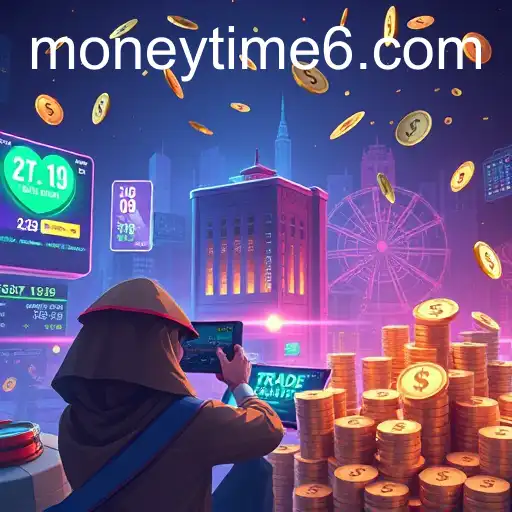
Exploring the influence of 'Money Time' on the gaming industry in 2026, focusing on innovation, challenges, and future prospects.
As we step into 2026, the gaming industry continues to evolve rapidly, with 'Money Time' becoming a pivotal concept in the digital gaming landscape. An English gaming website has brought this term into the limelight, highlighting the ways it is reshaping how we perceive and engage with games. At its core, 'Money Time' refers to critical moments in games when financial strategies and virtual economies play a crucial role in user experience.
The introduction of 'Money Time' into mainstream gaming has been influenced by the ever-growing importance of microtransactions and in-game currency. These elements have become a cornerstone of many online games, driving both player engagement and developer revenue. Games like 'Fortune Guardians' and 'Trade Titans' have exemplified this trend, integrating complex virtual economies that challenge players to plan their investments and manage resources wisely to succeed.
This trend reflects a broader shift in the gaming industry, where developers are increasingly focusing on creating interactive experiences that mimic real-life financial decision-making. This not only enhances player involvement but also potentially prepares younger audiences for real-world economic challenges. The financial aspect of gaming has also opened new avenues for revenue generation, attracting a slew of investments and partnerships aimed at expanding the ecosystem of 'Money Time.'
However, the rise of 'Money Time' is not without its challenges. Critics argue that an increased emphasis on monetary strategies can lead to an imbalance, where players who can afford to spend more have a significant advantage over others. This has sparked debates around the fairness of pay-to-win models and the need for regulations to ensure a level playing field. Nevertheless, the trend shows no signs of slowing down, as developers strive to innovate and capitalize on the lucrative potential of virtual economies.
In conclusion, 'Money Time' represents a dynamic shift in digital gaming, offering players new ways to interact with games while posing unique challenges for developers. As the gaming ecosystem continues to evolve, it is clear that 'Money Time' will remain a key factor shaping the industry's future. With ongoing developments and debates, the influence of 'Money Time' on the digital realm will be watched closely by enthusiasts and industry professionals alike.

