


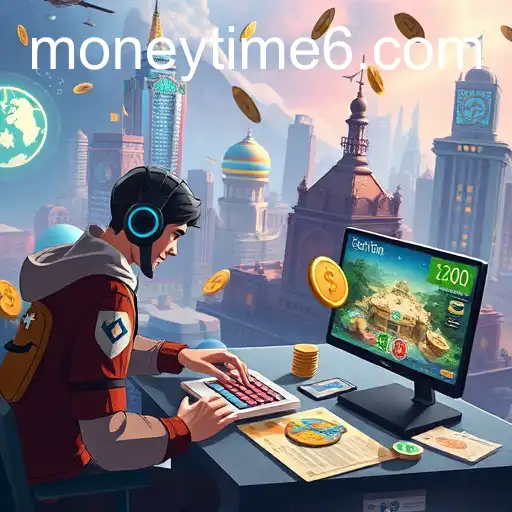
Exploring the increasing significance of virtual economies in gaming and its impact on players and developers alike.
In recent years, the landscape of online gaming has witnessed a transformative shift with the rise of virtual economies, increasingly exemplified by the concept of 'money time.' As we step into 2025, these digital ecosystems are proving to be more than just a byproduct of gaming. They have become a core aspect of the gaming experience, influencing how players interact with games and with each other.
The term 'money time' has gained traction among English game websites, signifying a combination of in-game time investment and real-world monetary gains or expenditures. Popular titles with such economies include 'Fortnite,' 'Roblox,' and more recently, the virtual metaverses like 'Decentraland' and 'Sandbox.' These platforms allow players not only to engage in gameplay but also to trade virtual assets, creating a parallel economy that mirrors real-world financial dynamics.
A key driver of these virtual economies is the increasing integration of blockchain technology and NFTs (Non-Fungible Tokens) within gaming environments. These tech advancements ensure authenticity, ownership, and transferability of digital items, adding significant value to in-game assets. For users, this shift has opened new avenues for monetization, where time spent in the game translates into tangible financial benefits.
Game developers, too, are riding this wave, crafting more immersive and financially rewarding experiences to entice and retain a broader player base. The economic dynamics within these games are becoming more sophisticated, requiring players to develop strategic financial skills akin to those used in real-world trading.
However, this trend raises essential discussions about regulation and fair play. The intersection of virtual economies and real money poses challenges and opportunities for regulators aiming to ensure that players, particularly minors, are protected from exploitation. Meanwhile, ethical considerations around loot boxes and pay-to-win mechanics continue to spark debate within the community.
Looking forward, the dynamics surrounding virtual economies in gaming are likely to further evolve. As 'money time' becomes a more entrenched part of gaming lexicon, developers, players, and regulators alike must navigate this new era with caution and foresight.

